Managing bread in peak season: daily planning, demand forecasting and less waste

Summer calls for agility, flexibility and the ability to respondquickly in any establishment. The references we are highlighting today willhelp you achieve just that.
Peak season is a major opportunity for many hospitality businesses... but also one of their biggest operational challenges. During the summer months, bookings rise, customer footfall increases and service periods multiply. However, this growth is often accompanied by greater uncertainty: occupancy can vary significantly from one day to the next depending on the weather, local events, tourism or even consumer trends. Everything counts.
In this context, bread management takes on strategic importance. That is why proper planning is not optional, but essential: it is what allows you to ensure product availability, maintain service quality and reduce one of the costs that most concerns professionals: waste. Frozen dough products can help you with all of this and, if you still have any doubts, keep reading because we are going to clear them up.
The challenge of forecasting changing demand
Unlike other times of the year, summer requires businesses to work with much more variable scenarios. An establishment can go from a moderate service to full occupancy in just a few hours. This makes purchasing planning and stock management more complex: running short means losing sales opportunities and affecting the customer experience; over-ordering, on the other hand, creates surplus product that has a direct impact on profitability.
That is precisely why more and more professionals are looking for systems that allow them to adjust production and service with greater precision, adapting to the real needs of each day. For this reason, frozen par-baked bread stands out as the winning solution for succeeding this summer. Let us tell you more.
Flexibility as a competitive advantage
One of the factors that most helps manage this variability is working with formats that make it possible to adjust the amount of product available according to forecast demand. In this respect, frozen dough products allow you to prepare only the units you need, helping you to be more efficient and more careful with food waste. They also make it possible to maintain consistent quality throughout the entire service, regardless of customer volume.
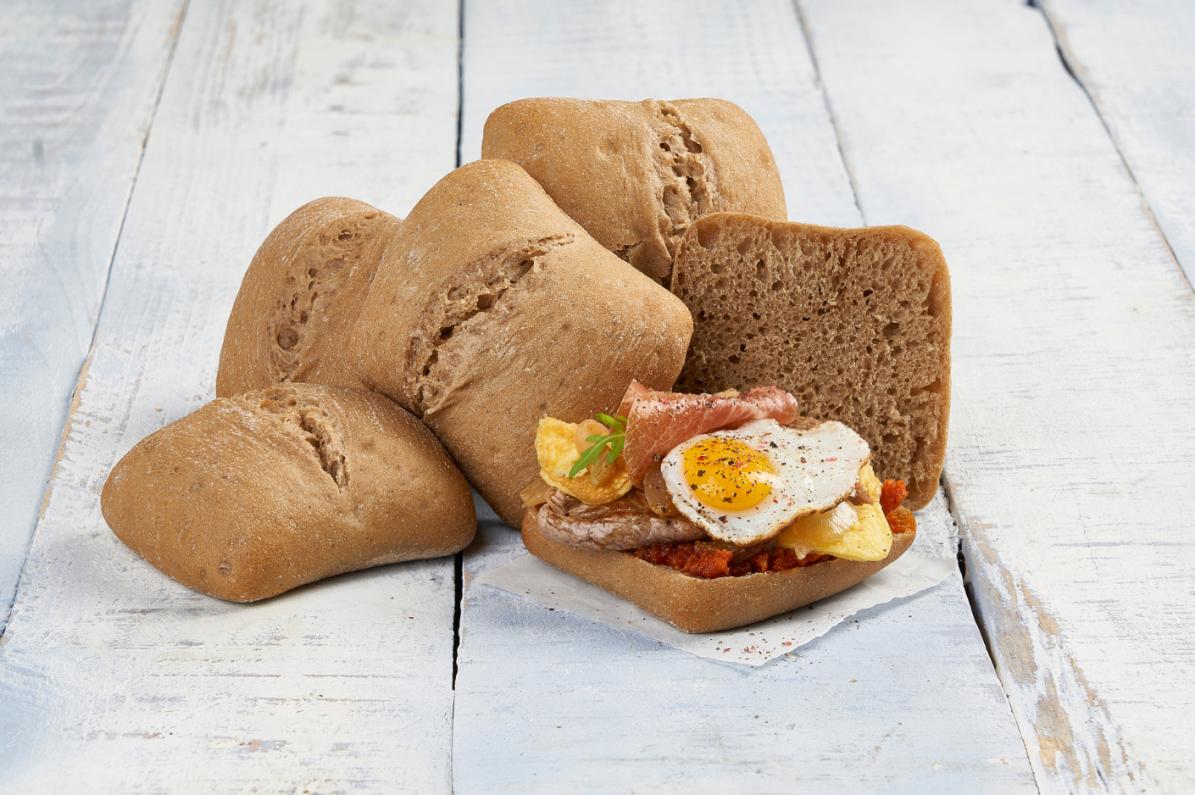
In this context, formats such as Artisan Roll Express are especially practical for breakfasts, sandwiches or quick-service occasions, where visits can fluctuate considerably throughout the day in restaurants, cafés, campsites or hotels. Its individual size makes planning easier and allows quantities to be adapted with greater precision. In addition, its rustic finish, thin and crispy crust, and open, hydrated crumb give it a higher perceived quality compared with standard quick bread rolls. And what is more, it is ready in just a few minutes - it could not be easier.
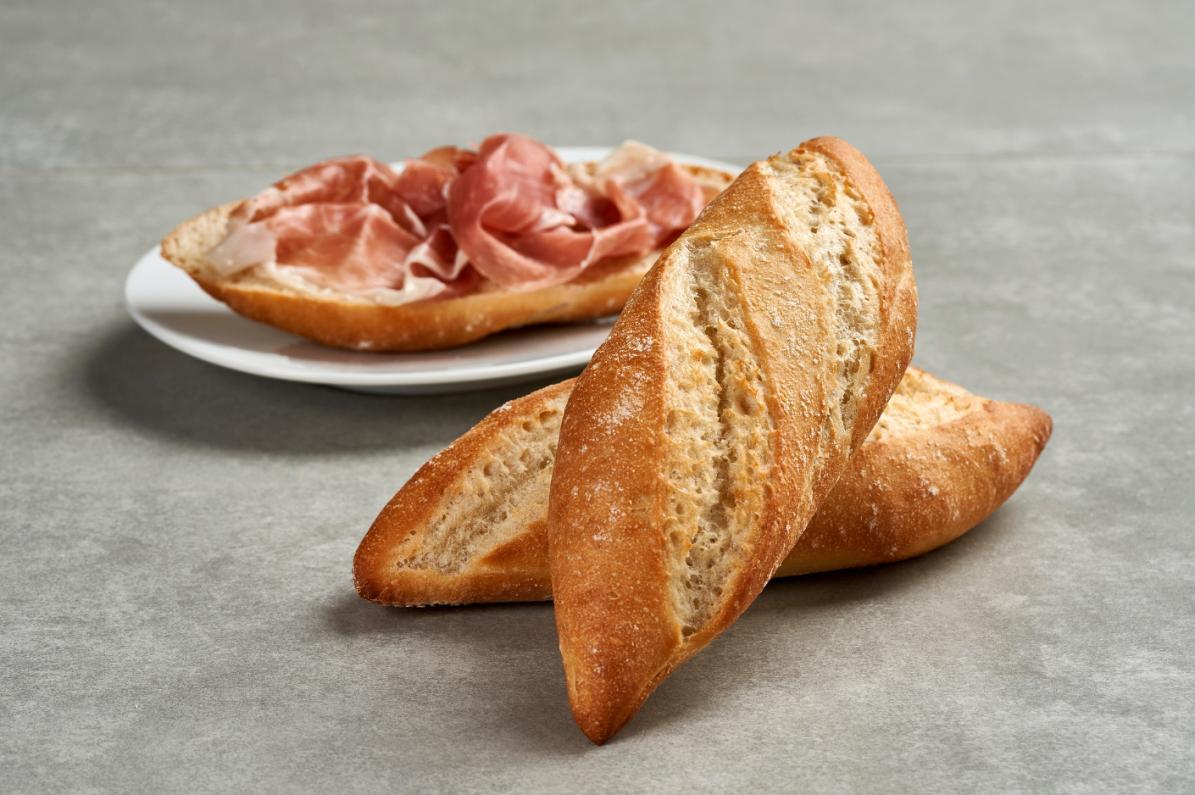
Daily Baguette Express follows the same approach: a versatile solution for establishments that need operational agility together with an attractive table presentation, something it achieves easily thanks to its generous size and its thin, golden, crispy crust. Its format makes replenishment easier during service and helps respond quickly to unexpected changes in demand. A generous yet balanced experience that makes it especially suitable for bakeries, supermarkets or accommodation businesses that need speed without giving up quality or visual impact.
How to control portions easily and effectively
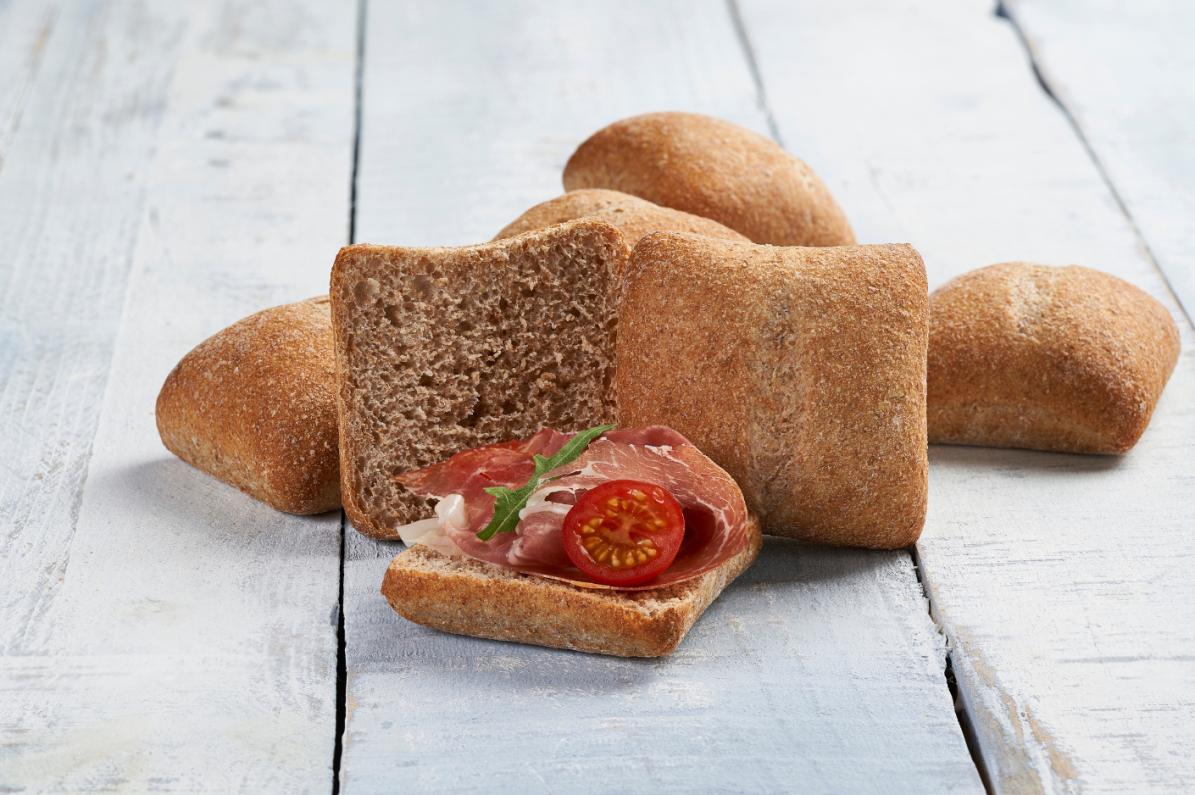
Another aspect with a major influence on business profitability is the control of the portions served. Knowing the quantities required makes it easier to forecast consumption and avoid surplus. The Mini Soft Rolls range, both in its wholemeal version and its rye version, is an excellent product in these circumstances. Both share several qualities: they are very soft, tender and fluffy breads, and their preparation takes only a few minutes, making them a practical and convenient option for day-to-day service that is well worth considering.
Practical tips for optimal bread management in summer
- Plan by consumption periods. Analyse breakfasts, lunches and dinners, as well as consumer behaviour at these times of day. This will help you make more accurate forecasts. Also analyse weekly waste so you can make adjustments when necessary.
- Adjust production to occupancy. Reviewing bookings, sales history and even the weather forecast helps you anticipate needs more effectively.
- Prioritise versatile, individual and agile formats. The references we have presented fit perfectly into different service occasions, giving you very valuable operational flexibility. Maintaining the ability to react quickly is essential.
Peak season demands speed, adaptability and especially efficient resource management. The countdown has already begun. What are you waiting for to plan the products you need this summer?
También te puede interesar
También te puede interesar