Wholemeal bread in foodservice: how to offer a more balanced option without complicating operations
The trend for wholemeal breads continues to grow. Thanks to frozen doughs, you can easily incorporate them into your business in a convenient, simple and profitable way. Here is how.
Demand for wholemeal products has been growing for years across the hospitality and bakery sector. And it is easy to understand why. More and more customers and consumers are looking for options made with wholemeal flour, whether due to personal preferences, consumption habits or the perception that they are an alternative more in line with a balanced diet. For restaurants offering a daily menu, or bakeries and bake-off points with products on display, this trend represents an opportunity, but also a challenge: incorporating wholemeal references profitably, without generating waste or making it harder to rotate the rest of the range.
The key is not to multiply the number of options, but to select wholemeal formats and products that can adapt to different consumption moments and different customer profiles. After all, wholemeal bread is not a niche product, but a proposal with clear benefits, such as supporting intestinal transit and providing a greater feeling of satiety.
The most common approach is to offer this product in an individual format, a size that makes portion control easier and helps adjust service more effectively. From breakfasts to brunches, daily menus and small sandwiches, pieces of this kind help you offer a wholemeal alternative without changing the establishment’s usual operations. We share two references that can work well in this context. Keep reading!
Wholemeal breads with real presence
Frozen doughs make it possible to offer a wide variety of breads, including wholemeal options. More specifically, there are two types of frozen pre-baked bread that can help you if you have decided to include them in your range. Take note!
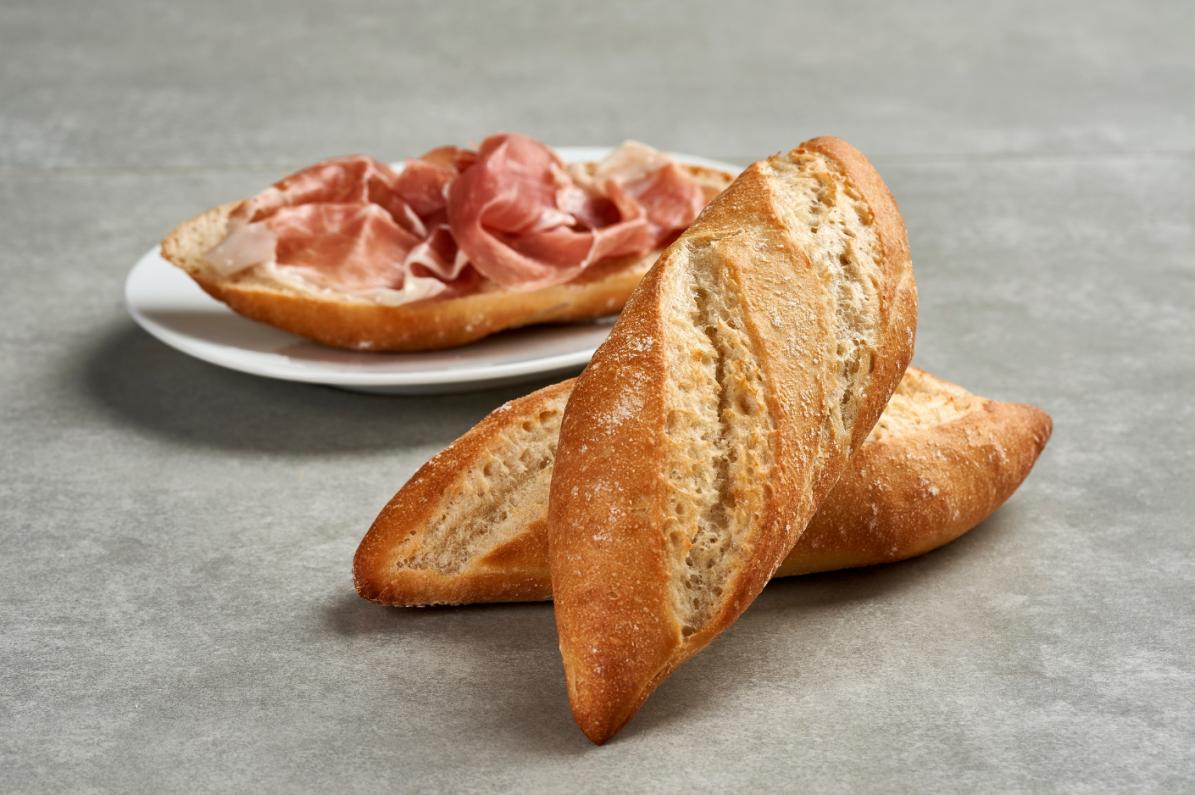
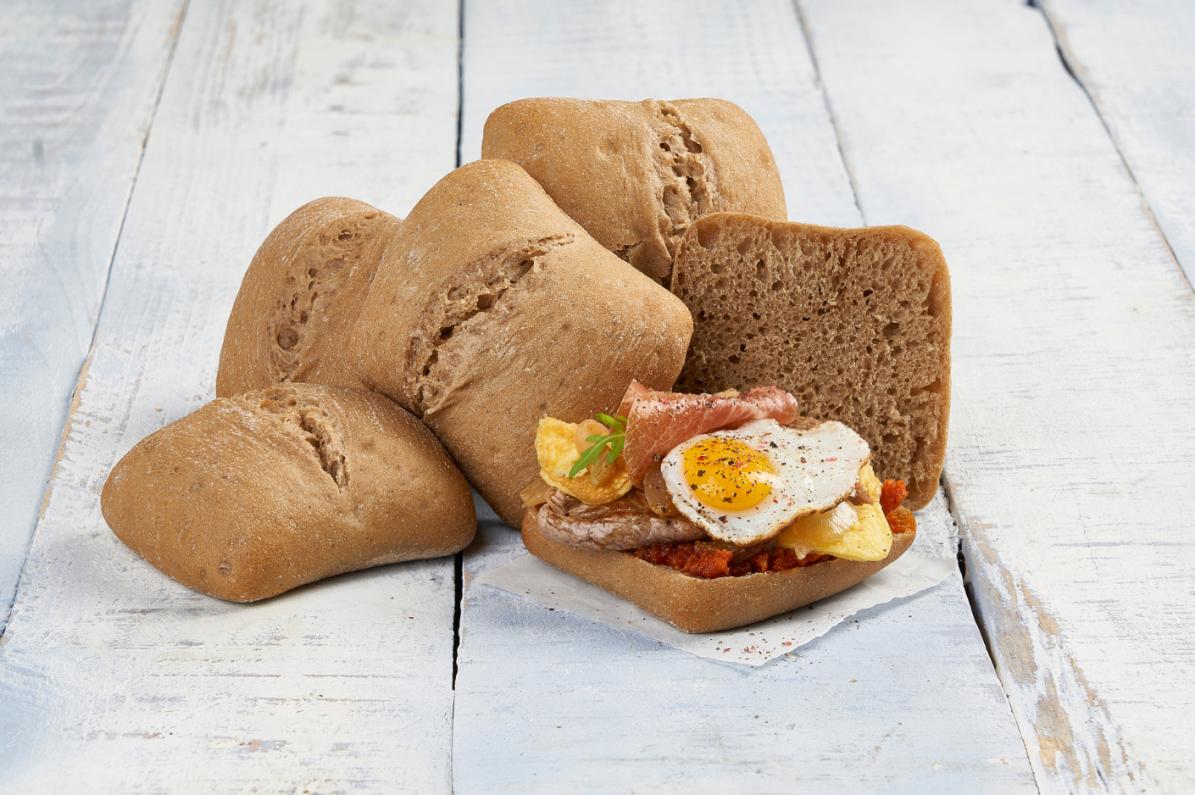
- Wholemeal Mini Soft Roll: A soft, tender and spongy bread. Made with wholemeal flour, it offers a soft, airy crumb and a very thin crust that makes it easy to eat. Its individual format and “thaw and serve” preparation make it a delicious, practical and convenient option for everyday service. It can be offered as part of daily menus, but it also works very well for breakfasts and brunches or as a light sandwich, for example with smoked salmon, cucumber and dill, or shredded roast chicken with yoghurt sauce.
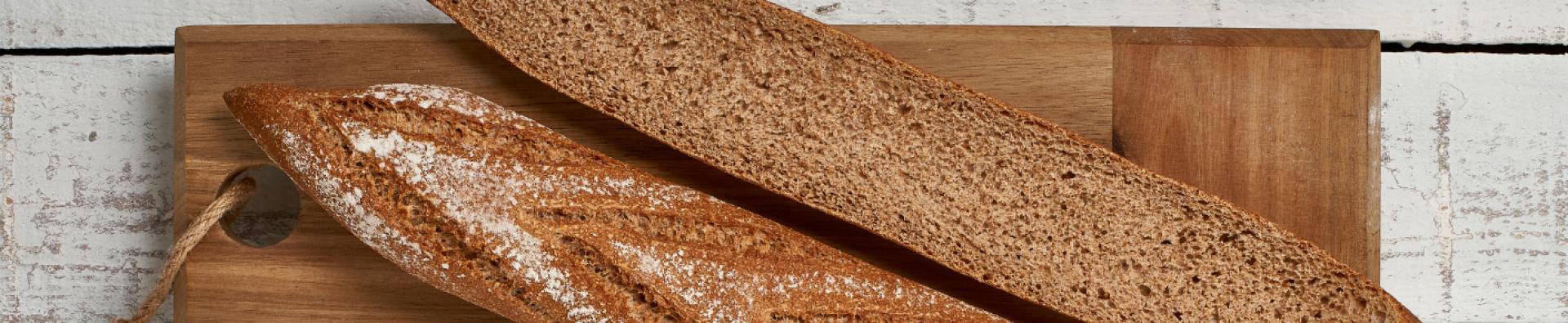
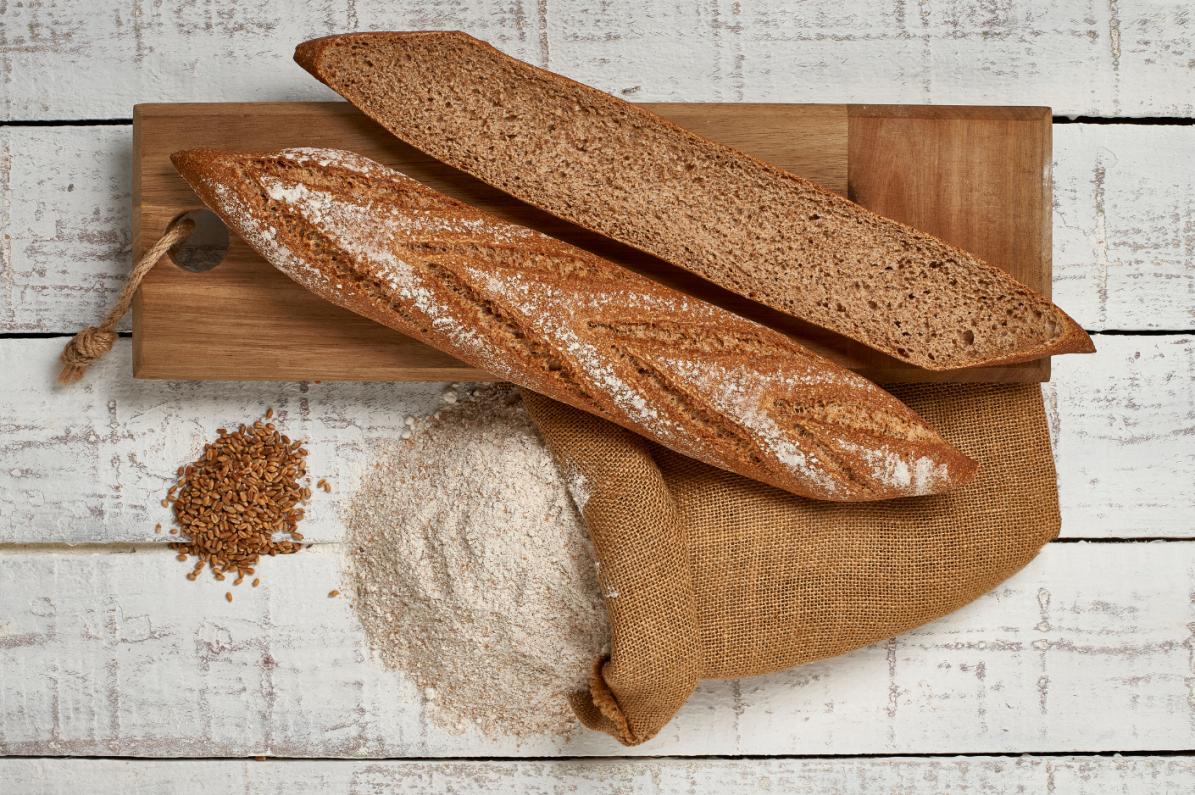
- Whole Wheat Family Bread: A large-format loaf designed for shared consumption. It features a decorative ear-of-wheat scoring pattern, a lightly floured crust and a rustic finish with defined pointed ends that reinforce its traditional appearance. Its prolonged fermentation and resting times provide a more open and hydrated crumb, lighter than is usually found in wholemeal breads. In restaurants, it can be served sliced as an accompaniment, with extra virgin olive oil and grated tomato, black olive tapenade, herb-flavoured butter or Mediterranean escalivada, or used for a more substantial sandwich.
Practical tips for incorporating wholemeal bread into your business
- Start with formats consumers already know: Introducing wholemeal pre-baked bread usually works better when it is presented in familiar formats. The two options we have suggested make trial easier and can reduce the risk of rejection compared with other, overly specialised alternatives.
- Adapt the format to the consumption moment: Individual pieces are especially suitable for daily menus, while larger formats are a better fit for take-home purchases. In any case, you can test them in your establishment and see what works best. There are no fixed rules!
- Offer variety without duplicating your entire range: There is no need to turn your whole offer into a wholemeal range. Incorporate one or two strategic references that allow you to respond to the growing demand for this type of product, and monitor how your customers react.
- Give it visibility at the point of sale: Correct identification in display cases, on shelves or on menus helps improve rotation and makes it easier for customers who are specifically looking for a wholemeal alternative to choose it.
- Link it to specific serving suggestions: Wholemeal bread is usually better received when it forms part of a complete recommendation. Sandwiches, balanced breakfasts or menu accompaniments help increase acceptance in a natural way.
In a market where the wholemeal trend continues to grow, having solutions that match what customers are looking for can make all the difference. We promise!
También te puede interesar
También te puede interesar