End-of-month review: what worked for you this summer (and how to prepare for August)
The end of July is the ideal time to review your menu, analyse sales and prepare for August with a more efficient strategy. Small changes now can make a major difference during peak season.
July often sets the pace for summer across many hospitality businesses. The reason is clear: terraces begin to fill up and tourist numbers continue to rise. With August just around the corner, this is also the ideal moment to pause and assess which products have been most popular, which times of day have generated the greatest activity and where there is still room for improvement.
This is not simply about reviewing performance. It is about using the experience gained over recent weeks to make better decisions for the month still ahead. A short review at this stage can lead to better planning, less food waste and a much more effective product offer.
Take note!
1. Review your menu from the customer’s perspective
As summer progresses, customer preferences do not necessarily remain unchanged. What worked at the beginning of July may not respond in exactly the same way to demand in August. Is the offer still balanced? Are there too many similar products? Are some items selling very little while taking up space that could be used for faster-moving alternatives?
Sometimes, the most important improvements do not involve adding new products, but optimising those that already perform well. Adjusting quantities, reorganising the display, simplifying certain preparations or giving greater prominence to the most popular items can improve profitability without increasing the team’s workload. Ultimately, summer rewards businesses that adapt their offer most effectively to each stage of the season.
2. Identify peak periods and listen to your team
Not every business experiences summer in the same way. In some establishments, breakfast is the key service period; others generate their highest volumes during dinner, night-time buffets or afternoon terrace service. Understanding when demand peaks makes it easier to plan production and organise the team more efficiently. It also enables a faster response while reducing both stockouts and surplus product at the end of the day.
It is equally important to listen to the team. The people working in the kitchen, dining area or behind the counter every day know first-hand which products require the most frequent replenishment, which generate the most issues and which preparations help speed up service at peak times. Combined with sales data, this insight is highly valuable for approaching August with more precise organisation and an offer that is even better adapted to customer needs.

3. August also requires careful planning
Although July provides a useful reference point, August often has its own particular characteristics. Customer profiles may change, travel activity may increase and, in many locations, local festivals can alter usual footfall patterns. July’s data should therefore be used as a starting point, while forecasts should continue to be reviewed week by week.
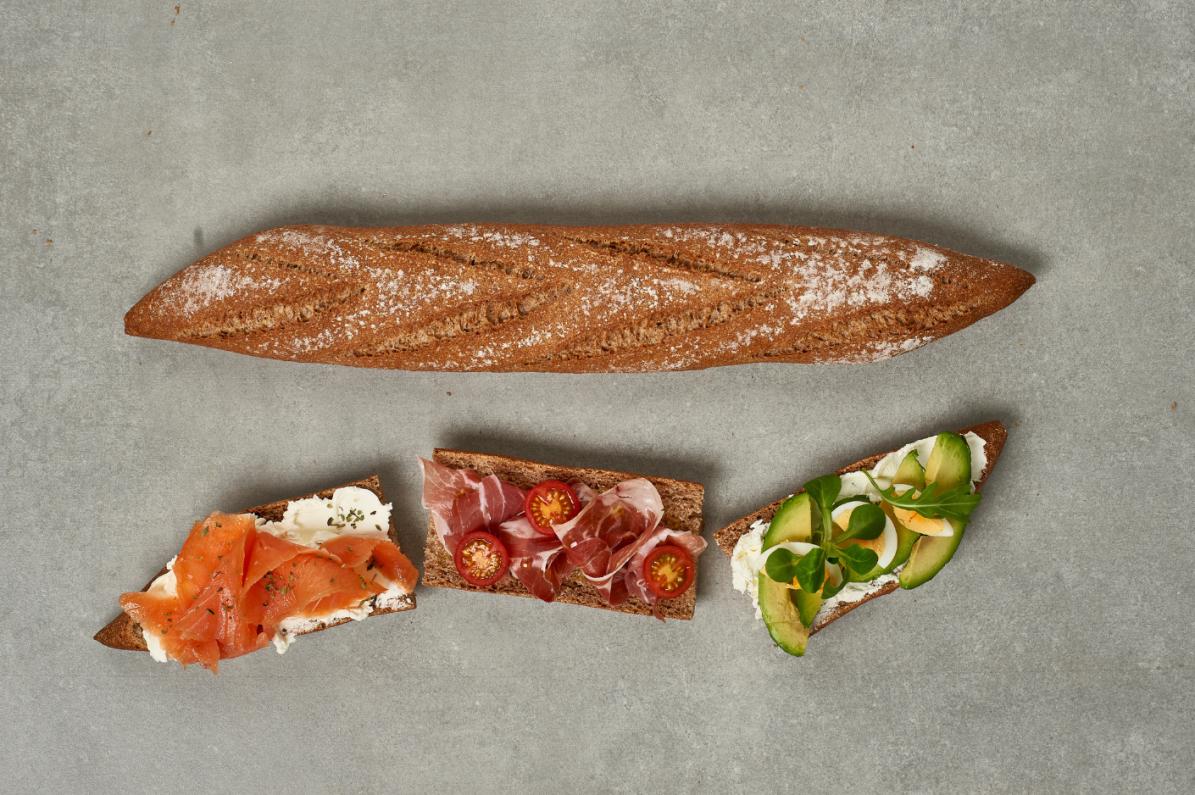
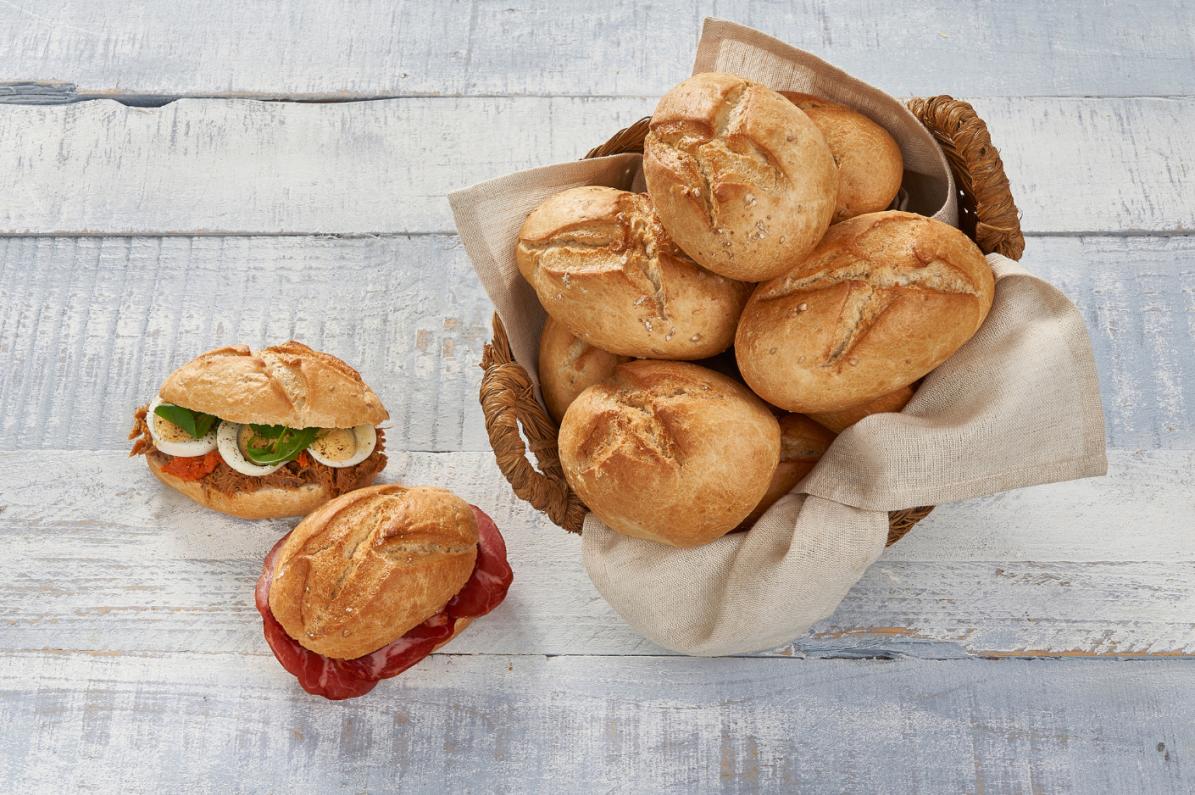
Working with versatile ranges and frozen bakery products makes this process considerably easier, as production can be adjusted to actual demand while maintaining a varied offer without taking unnecessary risks. Where they have performed well, continue to rely on frozen par-baked bread in both baguette and individual formats, together with savoury and sweet pastries.
Practical tips for preparing for August
- Review sales by time slot. This will help you adjust production where demand is genuinely concentrated.
- Ask your team what has worked best. Their day-to-day experience may reveal information that sales data does not capture.
- Prioritise the most versatile products. These are the items best able to adapt to potential changes in customer numbers.
- Plan week by week. August can vary considerably depending on tourism, weather conditions and local festivals.
- Do not wait until September to make improvements. Small adjustments during the summer season can make a significant difference.
The message is clear: the end of July is not the end of the season, but an opportunity to approach August with better information and make better decisions. Time to put the plan into action.
También te puede interesar
También te puede interesar