How to plan your bread and pastry orders during the holiday season
Maintaining a flexible range, regularly reviewing what is and is not working, and keeping track of summer events are key steps to helping your business succeed during the holiday period.
Summer always puts the planning capacity of bakeries, supermarkets and distributors to the test. July and August are particularly challenging months, with demand constantly changing: tourism rises in many areas, some customers alter their purchasing habits and many establishments adjust their opening hours.
Against this backdrop, accurately adjusting bread and pastry orders becomes essential. Running out of product means lost sales and a lower level of service, while overly optimistic forecasts increase waste and have a direct impact on profitability.
The good news is that, despite this challenging yet exciting environment, effective planning is possible. With the support of frozen bakery products, businesses can manage these fluctuations with greater flexibility, security and confidence. Let us take a closer look.
5 keys to effective summer planning
1. Room to respond
During the holiday season, it is very difficult to forecast demand with complete accuracy. Hotel occupancy, the weather, local events or even an exceptionally hot weekend can cause sales to vary significantly.
Rather than trying to predict demand perfectly, it is better to work with a product range that can respond to different scenarios, allowing you to react quickly and adjust production almost daily. Long-shelf-life solutions, including frozen bakery products, are particularly valuable because they make it easy and intuitive to adapt to current demand.
2. A flexible, high-quality range
One of the most common mistakes is to expand the number of products excessively in an attempt to cover every possible need. In practice, it is usually far more efficient to maintain a balanced, versatile range that can serve different consumption occasions. More frequent orders and flexible production adjustments are preferable to the risk of running short or accumulating unnecessary stock.
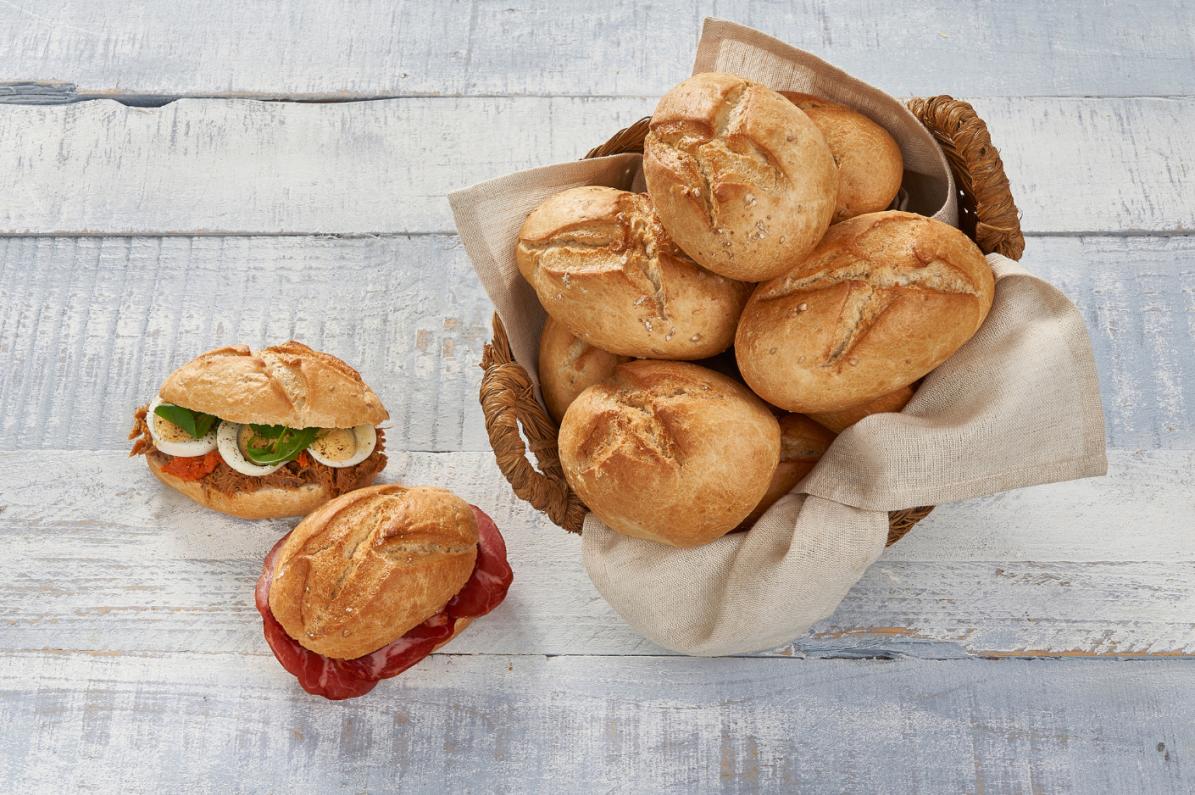
Several products demonstrate this versatility particularly well. Artisan Roll Express , for example, works equally well for breakfast and small sandwiches, while Assorted Country Breads and Mediterranean Mini Loaves provide variety within the same convenient format.
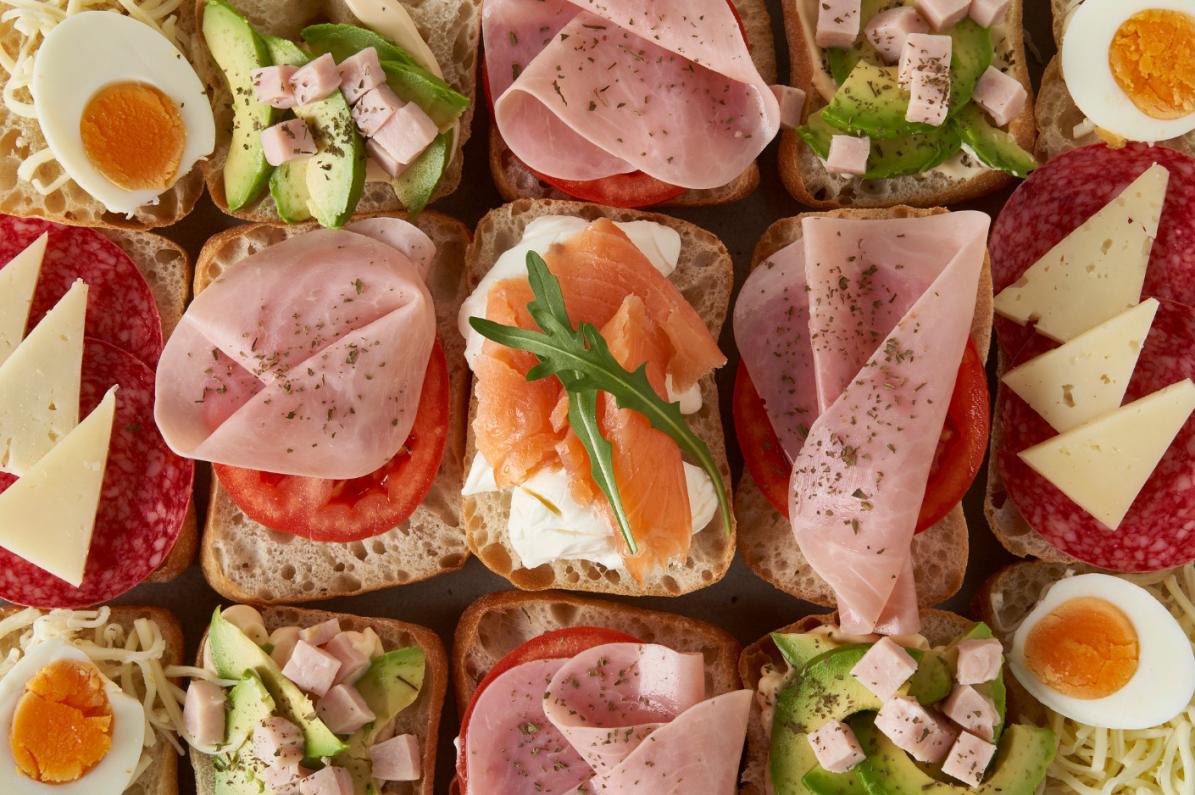
Mini Soft Roll range, particularly in its pack format, also supports this strategy. The classic, wholemeal and rye varieties make it possible to meet the needs of different consumer profiles without complicating stock management. Mini Urban Brioche in sheets, ready to separate and fill quickly and conveniently, is suitable for a wide range of occasions, from premium breakfasts and brunch to gourmet bite-sized offerings. Products with more than one application are always a sound choice.
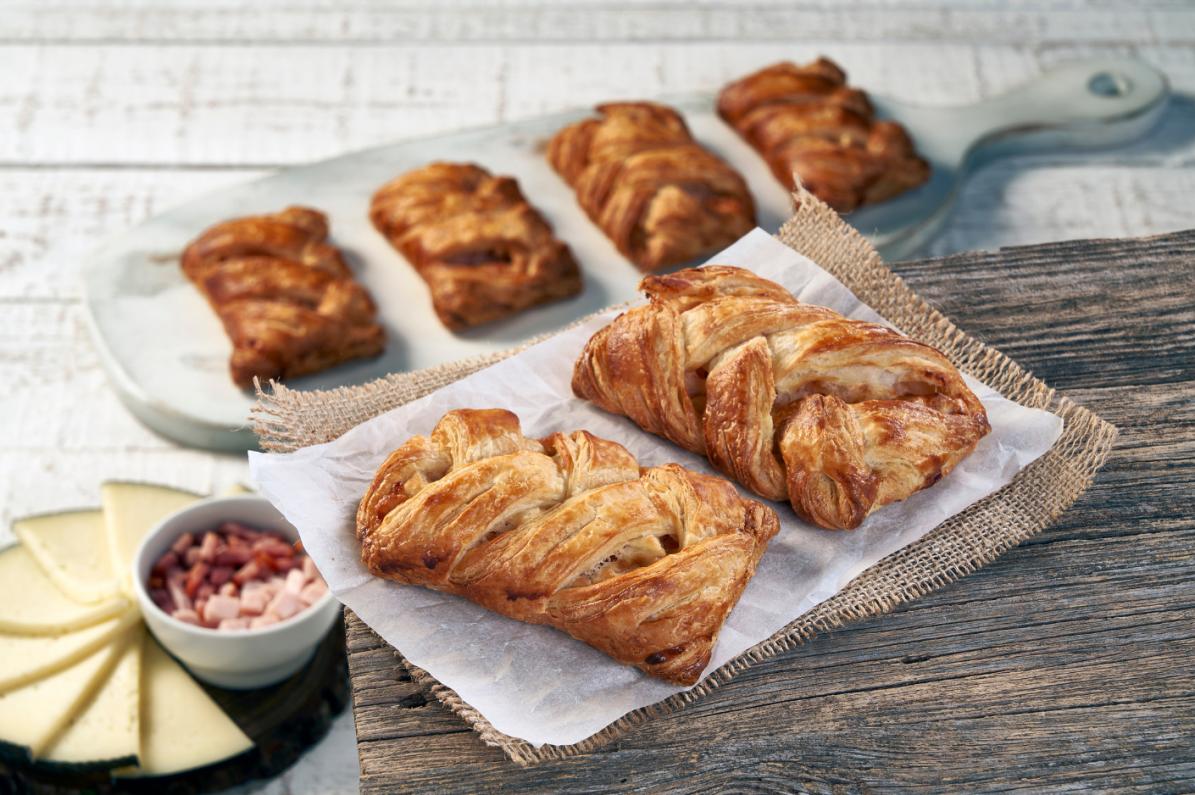
Alongside bread, pastries remain a fast-moving category, especially in tourist areas, cafés and supermarkets. Once again, working with multipacks or smaller products makes it easier to adjust production and adapt the display according to customer traffic.
Within the savoury category, products such as Assorted Artisan Pizzas provide a quick solution for establishments offering continuous service or supermarket foodservice areas. In the sweet category, smaller portion-sized products are particularly effective. Dark Hoops , Glazed Hoops, Mini Dark Hoops Pack and Mini Glazed Hoops Pack make it possible to build a varied offering without increasing the number of stock-keeping units excessively.
It is also advisable to classify products according to their sales rotation - for example, high, medium and occasional rotation - to identify which items require a larger buffer stock and which can be replenished on demand.
3. Week-by-week analysis
Another common mistake during the holiday season is to maintain the same forecasts for several weeks. In reality, demand in early July may be very different from demand in mid-August. It is therefore worth reviewing sales regularly and analysing the actual development of the business. Dynamic planning consistently delivers better results than a fixed forecast prepared at the beginning of the season.
During summer, it is also sensible to maintain a small margin to absorb an unexpected peak in customer numbers without overstocking the warehouse. For example, holding a modest safety stock of the fastest-moving products is usually more efficient than increasing every purchase by the same amount.
4. Reducing waste
Every item that remains unsold represents a cost that directly affects the business margin. Frozen bakery products make it possible to hold the right quantities, adapt production to daily demand and respond quickly when forecasts change. This not only helps reduce food waste, but also ensures consistent quality and more efficient stock management.
5. Keep the calendar close at hand
Although summer can be unpredictable, many factors can still be anticipated. Reviewing bookings, checking the calendar of local festivities, monitoring hotel occupancy in the area and taking public holidays into account all help refine orders. Likewise, when an establishment plans to reduce its opening hours or close for several days, purchases should be adjusted well in advance to prevent unnecessary stock accumulation.
During the holiday season, planning is more than a logistical task: it becomes a strategic business tool. Now is the time to put it into practice.
También te puede interesar
También te puede interesar