Butter in laminated pastries: what your bakery needs to know for perfect layers
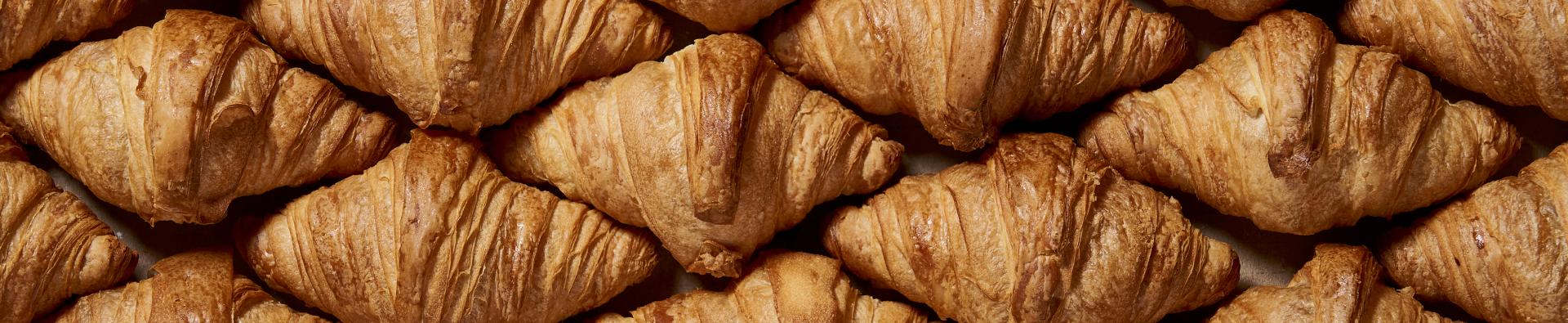
Butter makes all the difference to flavour, aroma and texture. Discover how to handle frozen pastries correctly to achieve golden, crisp and irresistible products.
Some ingredients are recognisable from the very first bite. Butter is one of them. Whether it is its unmistakable aroma, rich flavour or the distinctive way it works with delicate laminated layers, anyone who tastes it immediately knows what it is. And, naturally, wants more.
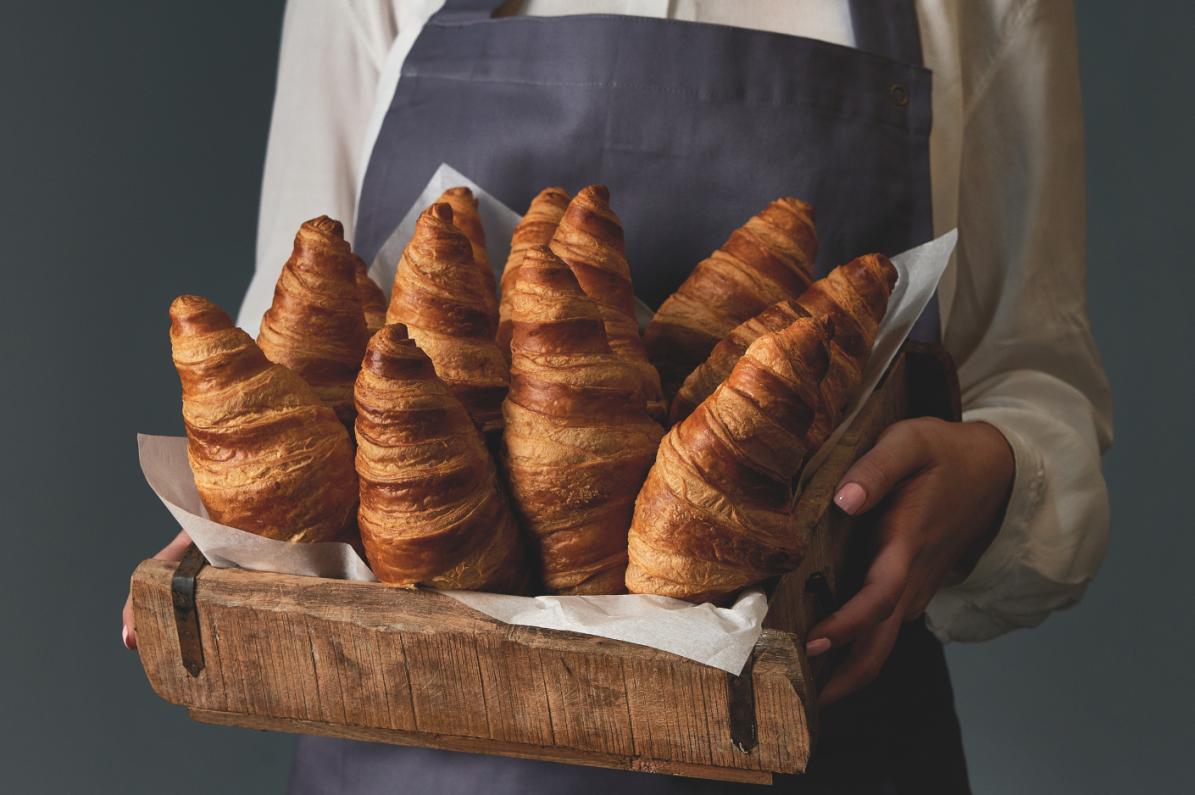
In a bakery or production kitchen, however, working with butter is not simply a matter of adding it to a recipe. With frozen doughs or frozen pastries, lamination and production have already been carried out at source, but the professional's work continues. How the product is stored, prepared and baked will largely determine whether it reaches the display counter with everything we expect from a good croissant or palmier: well-defined layers, good volume, aroma, an attractive golden finish and an irresistible texture.
Why butter?
The difference is not just about flavour. Butter contributes aroma, richness, colour and a very distinctive mouthfeel. Together, these qualities give butter-based products a recognisable profile and a point of difference that customers can appreciate from the very first bite. This is precisely why choosing products made with butter provides a clear quality cue without having to carry out the entire lamination process from scratch.
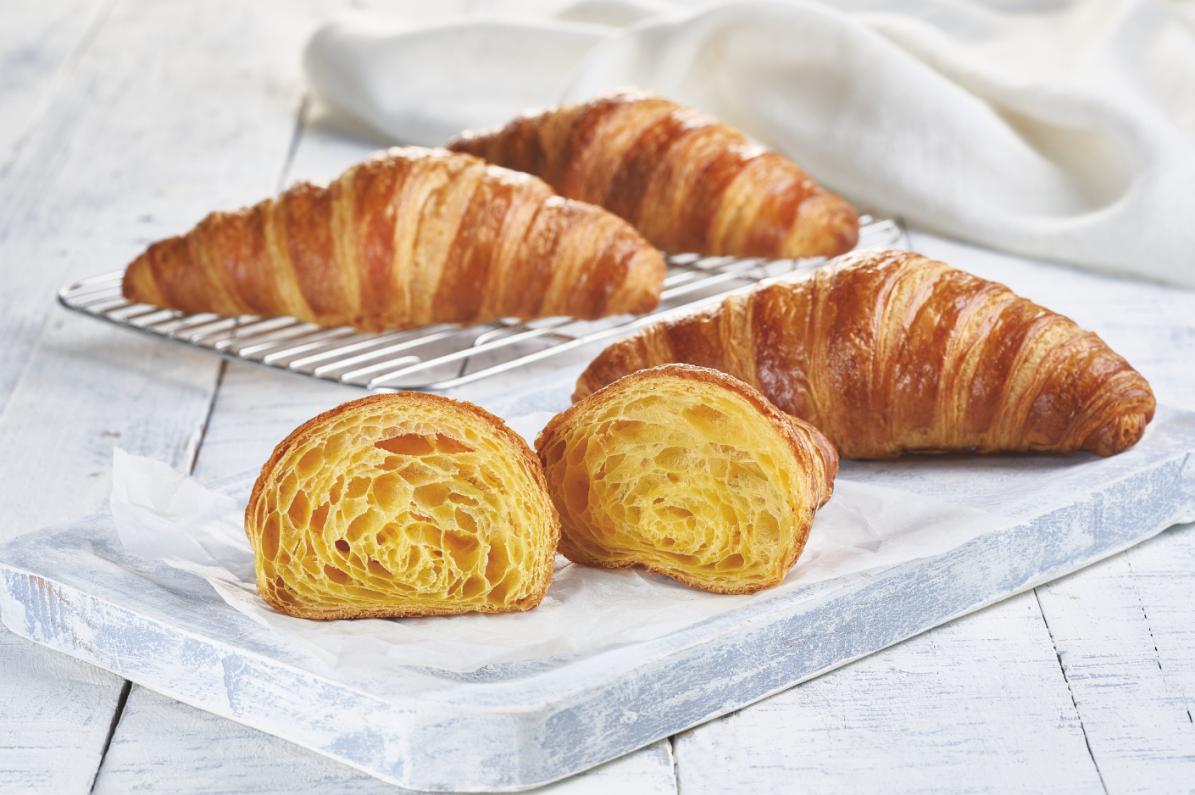
In this respect, the Croissant Recto Suprême Mantequilla and Croissant Recto Mantequilla offer clearly defined layers and a distinctive texture, while mini formats such as the Mini Croissant de Mantequilla, Mini Croissant Recto Suprême Mantequilla and Croissant Mini Multicereales Mantequilla are particularly well suited to buffet breakfasts, tasting platters or occasions where customers want to sample several different items.
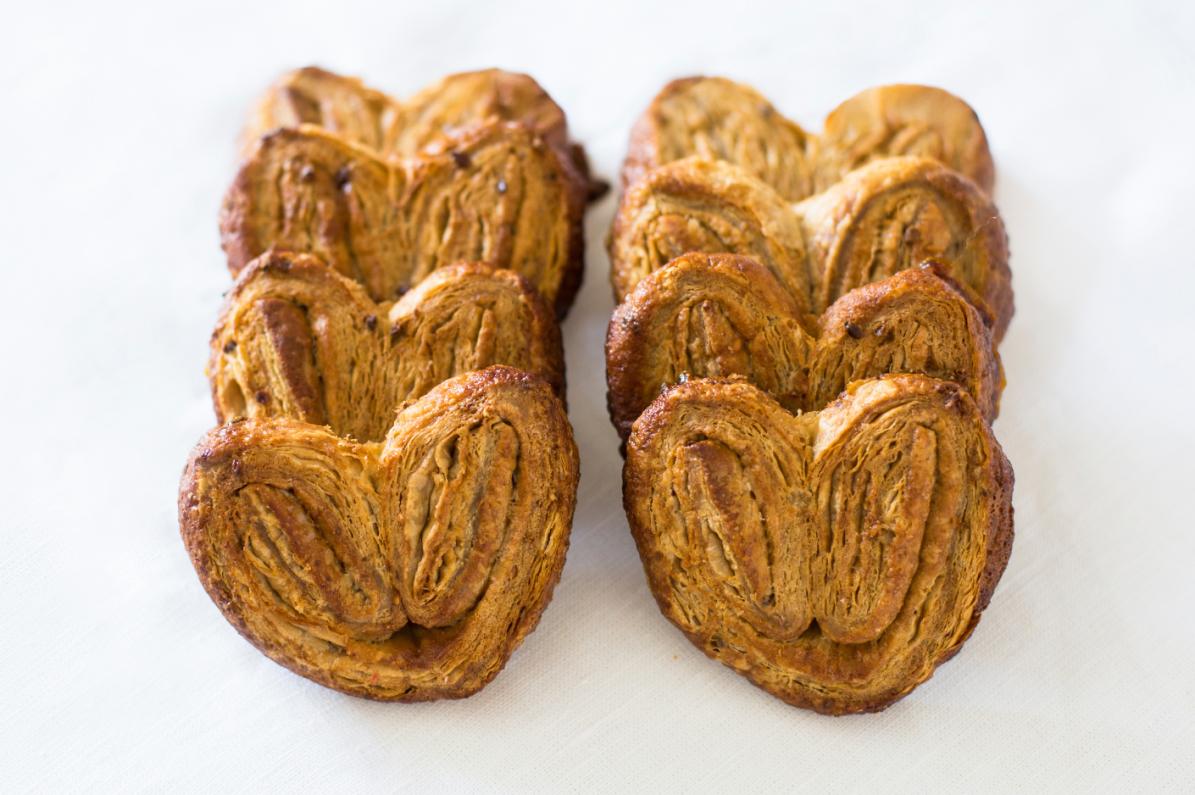
And when it comes to butter, we should not overlook other equally appealing laminated pastry formats such as Palmeritas Multicereales de Mantequilla or Palmeritas de Mantequilla y Miel. Here too, butter is the undisputed star, making these small pastries an excellent choice to serve with coffee or other beverages.
Protecting butter quality throughout the process
When working with frozen doughs, much of the production work has already been done, but that does not mean there is nothing left for the bakery to manage. Quite the opposite: correct storage and strict adherence to preparation instructions are essential to preserve the product's characteristics right up to baking.
Thawing and, where applicable, proofing should be carried out under the conditions specified for each product. It is also advisable to avoid unnecessary handling that could deform the piece or affect the layers already created during the production process.
Then comes one of the most important stages: baking. Correct baking allows the product to develop its full volume, achieve an appealing golden colour and deliver the contrast between a crisp exterior and a tender interior that we look for in laminated pastries.
In other words, the bakery's role is to prepare and bake a professionally made product correctly in order to achieve the best possible result. This is precisely one of the major advantages of frozen bakery products: they make it possible to offer carefully crafted products while maintaining a much more flexible operation.
Practical tips for the bakery
- Always maintain the cold chain. Store the products under the specified conditions and avoid thawing more than you actually expect to need.
- Thaw according to the instructions for each product. Preparation times and conditions may vary, so always follow the relevant technical data sheet.
- Handle as little as possible. Once the product has been thawed or proofed, avoid moving it unnecessarily. Croissants and palmiers already have their structure formed, and excessive handling can affect their final appearance.
- Do not overcrowd the oven. Leave enough space between products to promote even baking and allow them to develop their full volume correctly.
- Monitor the baking point. A golden colour is the first indicator, but it is also important to check that the layers have developed properly and that the interior has the right texture.
- Bake according to turnover. Instead of preparing the entire production run at once, adjust quantities to the periods of highest demand. This will help you offer freshly baked pastries for longer while reducing leftovers.
- Highlight the 'made with butter' attribute in your communication. If a product is made with butter, make this visible in the display case or on the menu. It is an easy-to-understand quality cue that helps differentiate your offer.
Butter, as we have seen, brings the distinctive quality that customers recognise and enjoy. With correct preparation and baking, every butter-based product can reach the display counter with the best possible flavour, aroma and texture.
También te puede interesar
También te puede interesar