Bread Bars for Foodservice: How to Choose the Right Format for Your Type of Service

Choices in the HORECA sector are not always straightforward. Today, we share a few key aspects to consider before choosing one bread bar format over another for your establishment.
Bread says a lot about you and, in many cases, it is also the customer’s first point of contact with your business. In foodservice, bread often reaches the table before any other dish, which means it plays a very important role in the customer experience. Its appearance, size, texture and even presentation help create an almost immediate impression of the quality and style of the establishment.
So, how do you choose the best bread bar for your business? Whether you run a restaurant with a daily menu and à la carte service, or a bakery workshop, it is worth analysing different aspects of your day-to-day operation before adding a new reference to your range. Let’s clear up any doubts!
Type of Service: Essential When Choosing a Bread Bar
It is clear: not all bread bars respond to the same needs. A restaurant offering a daily menu, for example, usually requires agile solutions that help maintain a constant service flow during peak hours. By contrast, an establishment focused on a more relaxed experience, such as a bakery workshop, may look for formats with a more carefully crafted presentation and greater stand-alone presence.
In any case, the key is to find the right balance between functionality, image and profitability. This is where frozen doughs and frozen pre-baked bread can become great allies, as they make it possible to offer delicious, effective pieces in a convenient, simple and profitable way. But let’s continue looking at what else you should consider before deciding on one bread format or another.
Weight and Size: Adapting the Format to Real Consumption
One of the first factors to assess is the size of the bread bar. A format that is too large can generate unnecessary leftovers, while one that is too small may force constant replenishment during service. Analyse how your establishment works and, based on that, select the product that best suits your needs.
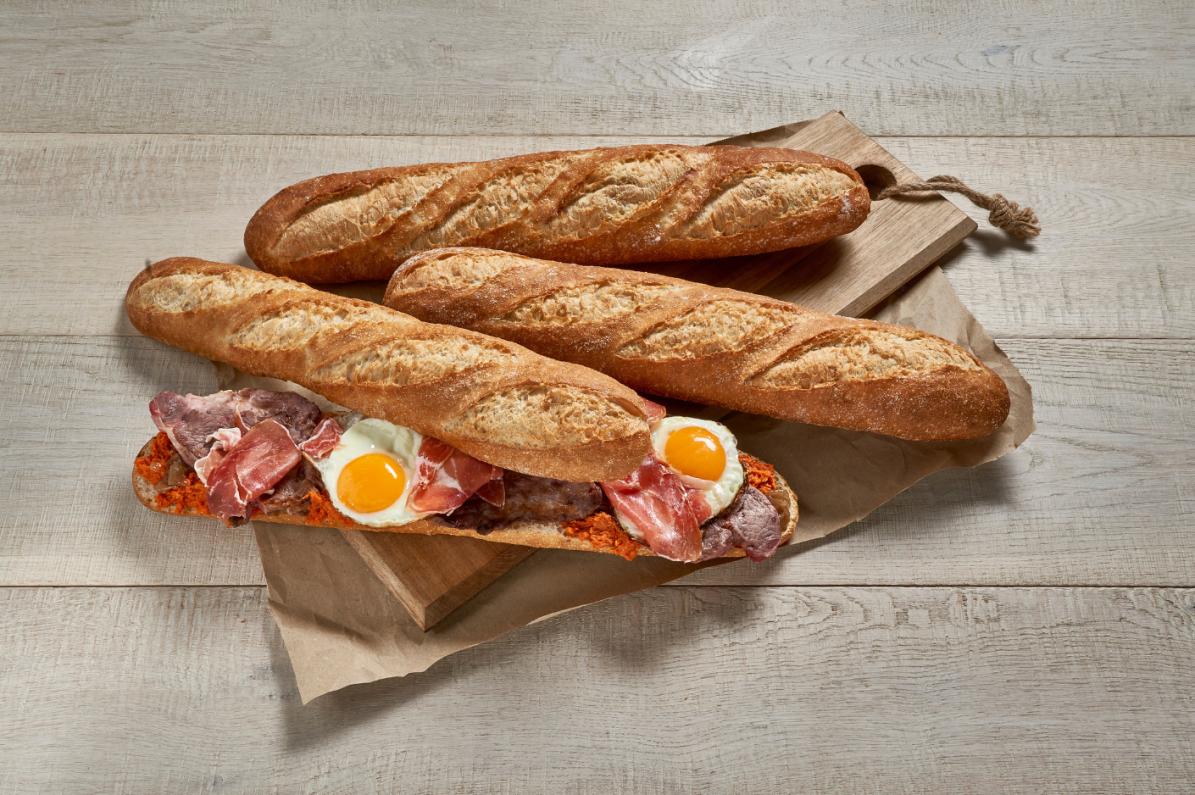
The Importance of Visual Appeal
A bread bar also communicates. Its volume, shape and finish help convey a specific image of the establishment. Bread bars with a carefully finished and attractive appearance reinforce the perception of quality from the very first moment. In addition, when they are served at the table or displayed in visible counters, they help enrich the customer experience even before the food arrives.
Crust and Crumb: Beyond Aesthetics
Texture is another aspect that influences the eating experience. Some establishments look for light bread bars that are easy to consume, while others prioritise formats with more personality, crunchier crusts or crumbs with a more defined structure. It all depends on what you need.
Preparation Time and Operational Efficiency
The choice of a bread bar should also take into account the everyday reality of the kitchen and dining room. During the busiest moments, having references that simplify preparation and service helps optimise resources and maintain consistent quality.
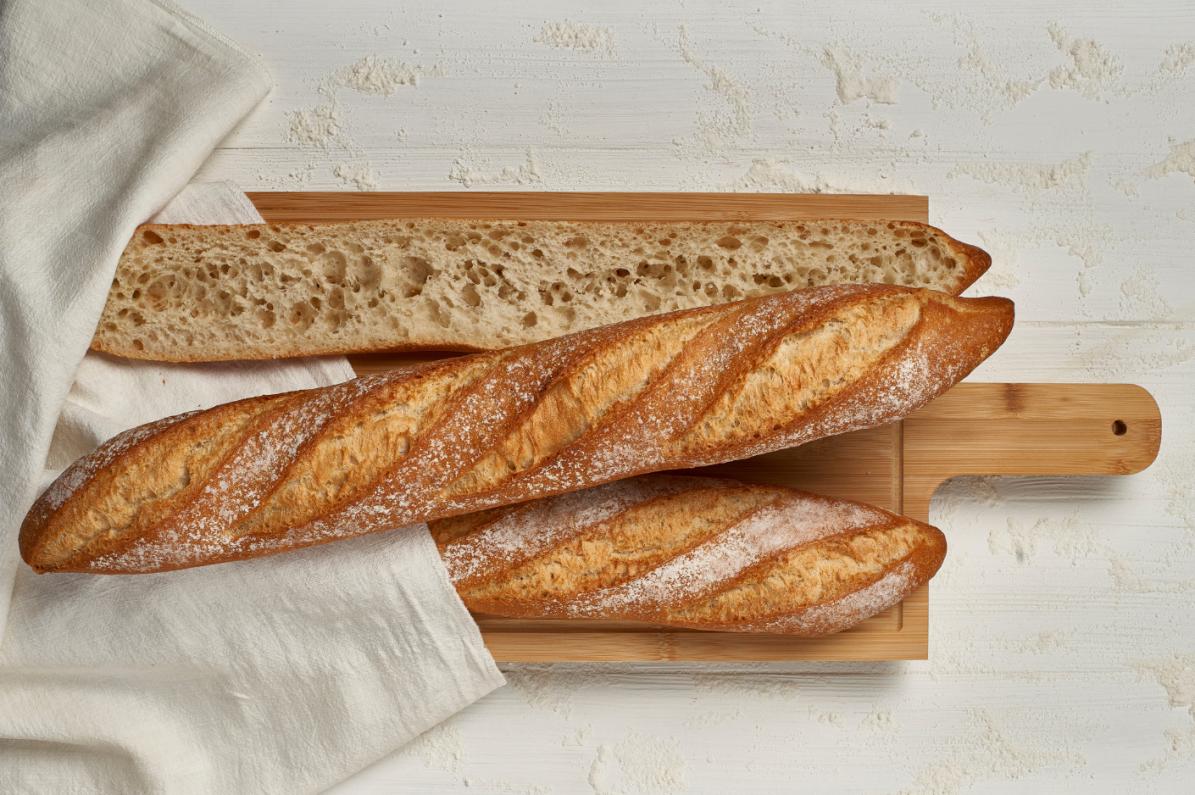
The Bread Bars You Need to Know: One for Every Occasion
Taking all of the above into account, we present three new products that can help you depending on what you need. Here they are!
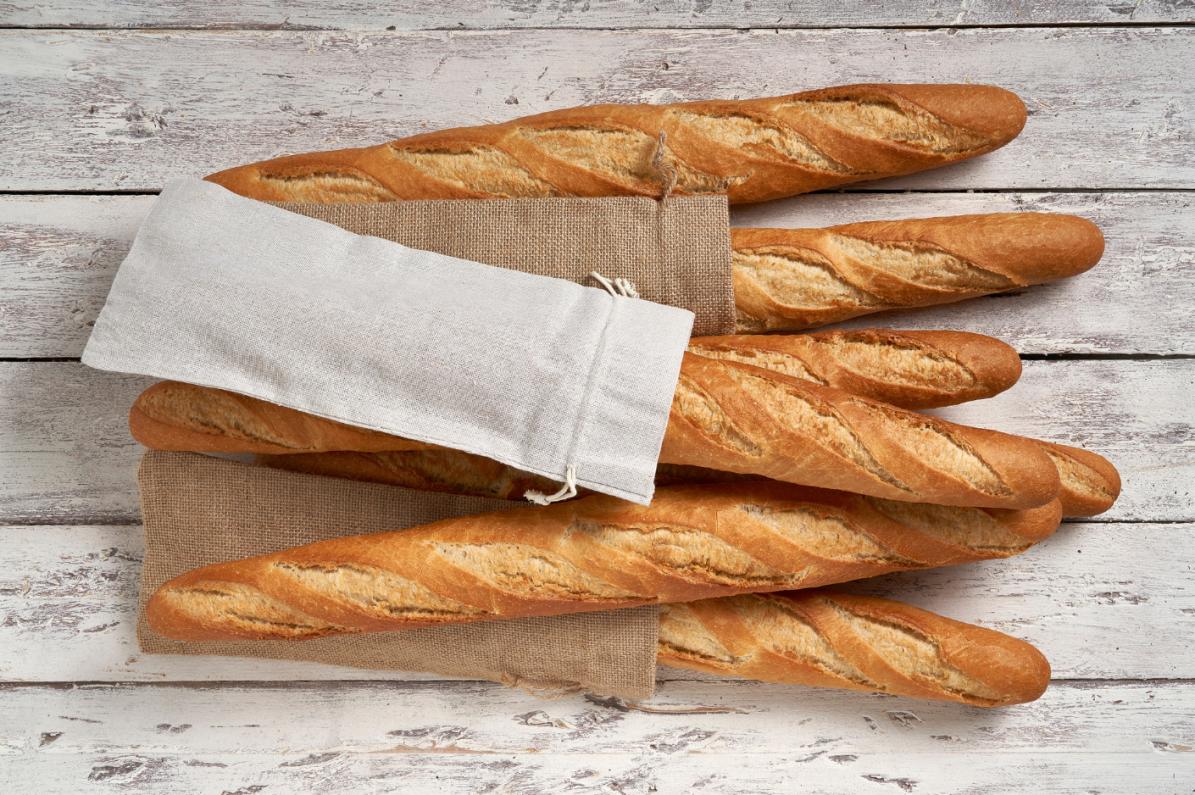
- Daily Baguette Express. Stands out for its quick preparation — just a few minutes — and its strong visual presence, enhanced by its thin, golden and crispy crust. An ideal solution for bakeries and supermarkets, offering a generous and well-balanced bread experience.
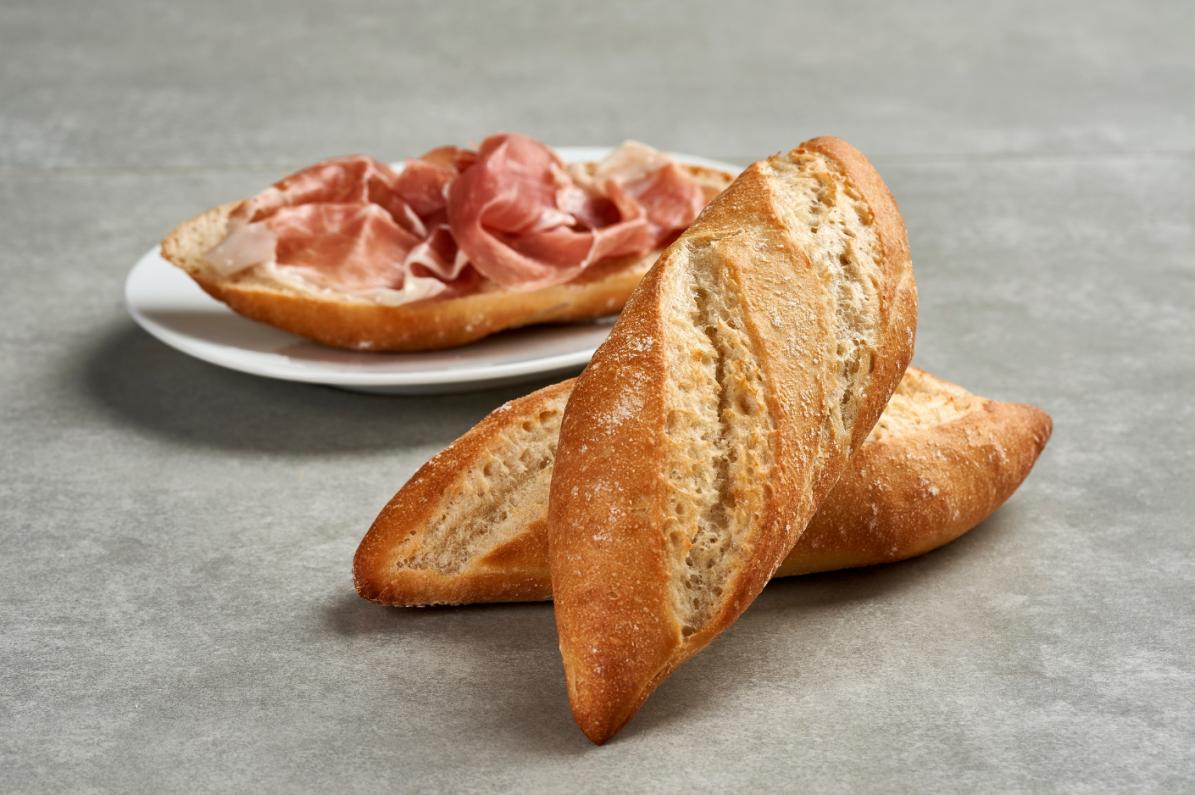
- Parisienne Baguette. With its elegant format and thin, golden crust, this type of pre-baked bread reinterprets traditional white bread with an extra touch of quality. A piece designed for everyday consumption and fully aligned with current consumer habits.
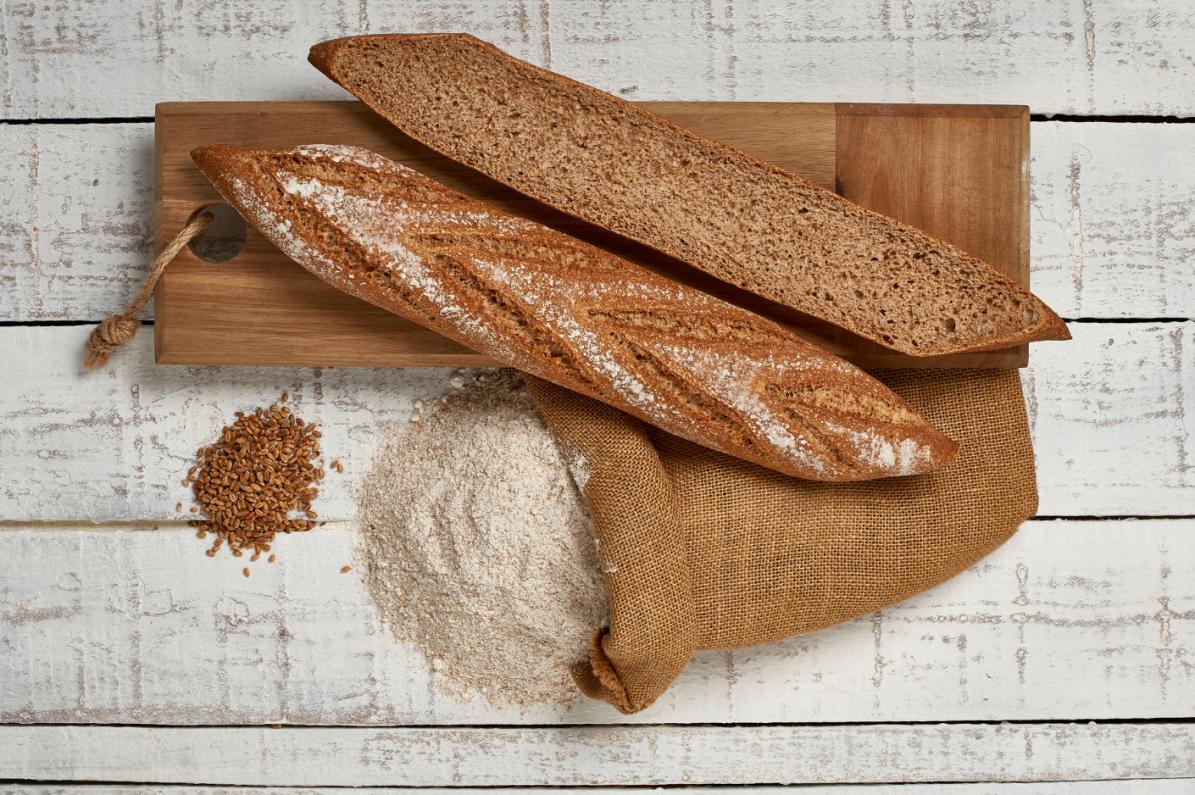
- Sourdough Mediterranean Rustic Bread. Made with 10% sourdough, it combines volume, a crispy crust and an open crumb structure. The essence of traditional bread, but with added character and value. It is also a bread bar that is very easy to consume.
Let’s recap! You only need to:
• Analyse the type of service and the average bread consumption.
• Think about the image you want to convey.
• Assess texture, presentation and operations.
• … and choose the most suitable product.
As you can see, choosing a bread bar has a lot to do with the pace of your business, your customers’ expectations and what you want to project. And, above all, remember that bread is not just a side accompaniment, but an element that adds value from the very first moment.
También te puede interesar
También te puede interesar